

Examining the Cultural Impact of Gambling Across Different Societies
Historical Context of Gambling
Gambling has woven itself into the fabric of human society for centuries, with traces of its existence found in ancient civilizations across the globe. Archaeological discoveries indicate that forms of gambling were prevalent in Mesopotamia, Egypt, and China as early as 3000 BC. These early iterations often served as entertainment during festivals or were tied to religious rituals, allowing communities to bond over shared experiences while also testing their luck and fortune. As civilizations advanced, so too did the complexity and organization of gambling practices. For those interested in exploring more regarding casinos without the need for document checks, https://nrlrush.ca/ provides a fantastic resource.

During the Middle Ages, gambling found its way into European societies, largely through card games and betting on jousts and other competitions. This era marked the rise of gambling as a popular pastime among the nobility, who often wagered considerable sums on the outcomes of various events. However, it also led to the establishment of regulations as authorities sought to control potential abuses associated with gambling, illustrating the dual nature of this activity as both a source of pleasure and potential societal issue.
As global trade routes expanded in the Renaissance period, gambling spread to new regions, influencing local customs and cultures. In places like Spain, the game of dice became common, while in the Americas, Indigenous cultures incorporated gambling into their traditions. The historical context of gambling thus demonstrates its evolution alongside societal changes, adapting to cultural norms and reflecting the values of different societies.
Gambling in Modern Society
Today, gambling has transformed into a multifaceted industry, encompassing everything from casinos to online platforms. The rise of the internet has allowed for unprecedented access to gambling opportunities, making it a global phenomenon. Many societies now grapple with the implications of this accessibility, particularly in terms of addiction and regulation. Governments around the world have implemented various policies to ensure responsible gambling, reflecting a growing recognition of the need to balance the enjoyment of gambling with potential risks.
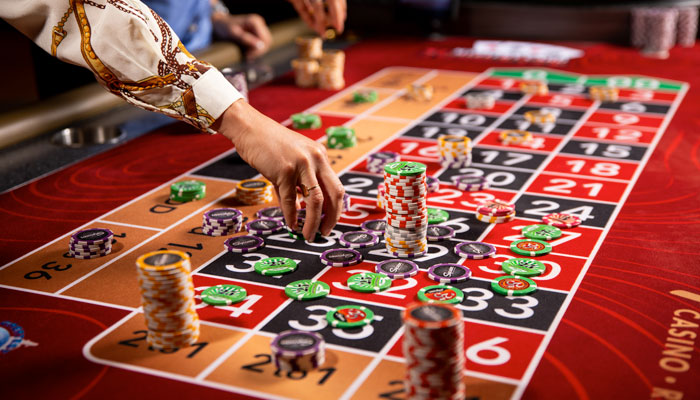
In some cultures, gambling is celebrated as a form of entertainment and social interaction. In Las Vegas, for example, the casino experience is an essential part of the city’s identity, drawing millions of visitors each year. The cultural significance of gambling in such contexts is profound, often associated with notions of freedom, risk-taking, and the thrill of chance. These positive associations can create a cultural acceptance of gambling, contrasting sharply with societies that view it as morally dubious or harmful.
Conversely, in regions where gambling is stigmatized, its impact can lead to social challenges. Countries with strict anti-gambling laws may see underground gambling activities flourish, which can introduce issues such as organized crime and corruption. The cultural dichotomy surrounding gambling illustrates the complexities involved, as societies balance economic benefits and social responsibilities. The ongoing discourse about gambling’s place in modern society reveals its deep-rooted influence on cultural norms and values. The concept of a no verification casino reflects this shift in attitudes and practices.
The Psychological Impact of Gambling
The psychological effects of gambling extend beyond mere excitement and entertainment; they delve into complex emotional and cognitive realms. For many, gambling serves as an escape from daily stresses, offering a temporary thrill that can lead to a euphoric state. This sense of euphoria can be addictive, prompting individuals to seek out gambling experiences frequently, sometimes resulting in compulsive behaviors. The psychological allure of gambling can be likened to that of substance use, where the excitement of potential wins can overshadow the risks of loss.
Furthermore, studies have shown that gambling can impact mental health significantly. Issues such as anxiety, depression, and low self-esteem are frequently reported among problem gamblers, indicating that gambling often serves as both a cause and a consequence of psychological distress. The potential for financial ruin and the stigma surrounding gambling addiction can exacerbate these issues, leading to a cycle of shame and isolation. This psychological dimension makes it vital for societies to recognize and address the mental health implications associated with gambling.
As understanding of these psychological impacts grows, many cultures are beginning to implement educational programs aimed at promoting responsible gambling practices. By raising awareness of the risks and consequences associated with gambling, societies can help individuals make informed decisions, creating a balance that supports both enjoyment and safety. Engaging in open conversations about gambling’s effects can foster healthier attitudes and behaviors, ultimately contributing to a more informed society.
Gambling and Cultural Identity
In various societies, gambling plays an integral role in shaping cultural identity and community cohesion. For instance, in many Indigenous cultures, gambling has historical and cultural significance, often incorporated into ceremonies and communal gatherings. This communal aspect can foster a sense of belonging and solidarity, as people come together to participate in shared activities that reinforce their cultural heritage. The narratives surrounding these gambling practices often reflect deeper values such as community, luck, and fate.
In contrast, cultures that emphasize individualism may view gambling through a different lens. In places like the United States, gambling can be seen as a personal pursuit of success and fortune, embodying the spirit of competition and the “American Dream.” The portrayal of gambling in media and entertainment often amplifies this perspective, showcasing winners and losers in dramatic fashions that resonate with cultural themes of aspiration and risk. As a result, gambling can become a reflection of broader societal values, illustrating how cultural identity influences perceptions of luck and chance.
Moreover, as globalization continues to influence cultural exchanges, gambling practices and attitudes are evolving. Emerging trends, such as online gambling, are reshaping how individuals engage with these activities, creating new cultural narratives around risk and reward. These changes challenge traditional cultural identities while also offering opportunities for reinvention and adaptation. The interplay between gambling and cultural identity highlights the dynamic nature of societies and their continuous evolution in response to changing contexts.
Exploring the Website’s Insights on Gambling
This website serves as a comprehensive guide for individuals seeking to navigate the complex world of gambling. It provides in-depth information on various gaming options, including casinos that allow for seamless play without the need for identity verification. Such resources are invaluable for players looking to engage in a more anonymous and hassle-free gaming experience. By focusing on providing detailed reviews and insights into the best platforms, the website caters to a diverse audience with varied interests in gambling.
Additionally, the website emphasizes the importance of responsible gaming, advocating for safe practices in the gambling community. With a focus on understanding the cultural implications of gambling, the platform aims to foster informed choices among players. By highlighting the risks and rewards associated with various gambling forms, it plays a crucial role in promoting a balanced approach to gaming that resonates with both casual players and dedicated enthusiasts.
Overall, the website’s commitment to transparency and education makes it a valuable resource in the ever-evolving landscape of gambling. By examining cultural attitudes and providing practical information, it contributes to a more nuanced understanding of gambling’s impact on society. This holistic approach empowers individuals to engage with gambling in ways that align with their personal values and cultural contexts.