


Luck or skill what truly drives success in gambling
The Nature of Gambling
Gambling is often perceived as a blend of entertainment and risk, where players engage in games with uncertain outcomes. The allure of potential rewards drives individuals to participate in activities ranging from poker to slot machines. Understanding the core elements of gambling—chance and strategy—can provide insight into what influences success. Many people approach gambling with the hope of striking it rich, but this desire often leads to questions about the role of luck versus skill. For more information, visit https://cloverspin.org to explore related topics.
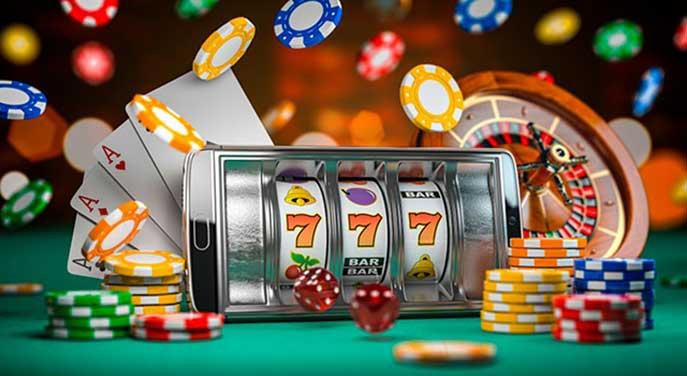
The fundamental premise of gambling lies in randomness. Games such as roulette and slots are inherently chance-based, with outcomes that are largely unpredictable. Players rely on luck to win, yet they frequently overlook the impact of their decisions. In contrast, skill-based games like poker require not only a grasp of the rules but also an ability to read opponents and calculate odds. The interplay of these elements creates a dynamic environment where both luck and skill can influence results.
The psychological aspect of gambling also plays a significant role. Players often develop superstitions or rituals they believe can enhance their luck. This behavior demonstrates the human tendency to seek patterns in randomness, which can affect decision-making. Understanding this psychological phenomenon is crucial, as it can lead to an overestimation of one’s skill or influence over the outcome, ultimately shaping a player’s gambling experience.
The Role of Skill in Gambling
Skill is an essential component in many gambling games, especially those that involve strategy and critical thinking. In games such as poker, players must develop an understanding of probability, psychology, and risk management. Successful players can consistently make informed decisions that optimize their chances of winning, demonstrating that skill can significantly influence long-term success. This requires practice, study, and a willingness to learn from both victories and defeats.
Furthermore, skilled players often have an advantage over casual participants. They can identify patterns, assess their opponents’ strategies, and adjust their gameplay accordingly. For instance, experienced poker players can read body language and betting patterns, using these cues to make strategic moves. This depth of understanding transforms the game from a simple gamble into a calculated contest, emphasizing the importance of skill in achieving success.
However, it’s essential to acknowledge that skill alone is not a guaranteed path to success. While skilled players can improve their odds, the element of luck remains a constant factor in gambling. This duality can create an ongoing tension within the gambling community, as players navigate the balance between honing their skills and recognizing the unpredictable nature of chance.
The Influence of Luck in Gambling
Luck is often seen as the deciding factor in many gambling scenarios, particularly in games where outcomes are determined purely by chance. Players frequently recount stories of incredible wins achieved through sheer luck, such as hitting a progressive jackpot or winning a large hand in poker. This element of luck creates excitement and anticipation, driving players to return to the tables or machines in hopes of replicating their fortune.
Despite the role that skill can play in gambling, the randomness inherent in many games means that luck can often overshadow skill. For example, in a game of roulette, the outcome of each spin is entirely independent of the previous one. No amount of strategy can change the fundamental odds of landing on a particular number. This randomness can lead to frustrating experiences for skilled players, as luck can sometimes dictate the outcome of even the best-laid plans.
Moreover, the impact of luck extends beyond individual games. Streaks of luck—whether good or bad—can significantly influence a player’s decision to continue gambling. The psychological phenomenon known as the “gambler’s fallacy” can also emerge, leading players to believe that past outcomes can affect future results. Understanding how luck shapes behavior can help players make more informed decisions, reinforcing the notion that while skill is vital, it is luck that often takes center stage in the gambling world.
The Psychological Aspects of Gambling
The psychology behind gambling is complex and multifaceted. Players often grapple with various emotions, from excitement and anticipation to anxiety and frustration. Understanding these emotional responses can provide insights into why individuals gamble and how they approach their experiences. The thrill of potential wins can overshadow rational decision-making, leading to impulsive behavior and increased risk-taking.
Moreover, the environment in which gambling occurs can influence players’ psychological states. Factors such as noise, lighting, and the presence of other gamblers can create a stimulating atmosphere that heightens the emotional stakes. This environment can lead to a phenomenon known as “loss chasing,” where players continue to gamble in an attempt to recover losses. Recognizing these psychological triggers is essential for both gamblers and those looking to establish healthier gambling habits.
In addition, the concept of “near misses” plays a significant role in the psychology of gambling. Players often experience a sense of excitement when they come close to winning, which can reinforce continued play despite losses. This cognitive bias can distort a player’s perception of their success and lead them to believe they are more skilled than they are. Understanding these psychological mechanisms can empower players to approach gambling more thoughtfully, balancing their emotions with rational decision-making.

Visit Us for More Insight
For those interested in exploring the world of gambling further, our website offers a wealth of resources, articles, and expert insights. We delve into various aspects of gambling, including strategies, psychological influences, and the latest trends in the industry. Whether you’re a seasoned player or new to the scene, our content can help you navigate the intricate balance of luck and skill.
Our goal is to foster a deeper understanding of gambling, empowering players to make informed decisions while enjoying their experiences. By combining knowledge with strategy, you can enhance your gameplay and increase your chances of success. Join our community to stay updated with the latest developments and share your experiences with fellow enthusiasts.